
January is often treated as the moment to reset everything. New habits, new goals, new budgets. But for many people, this approach creates pressure rather than progress.
If budgeting has not worked for you before, it is not a personal failure. It is often because the timing and expectations are unrealistic.
January is one of the hardest months financially
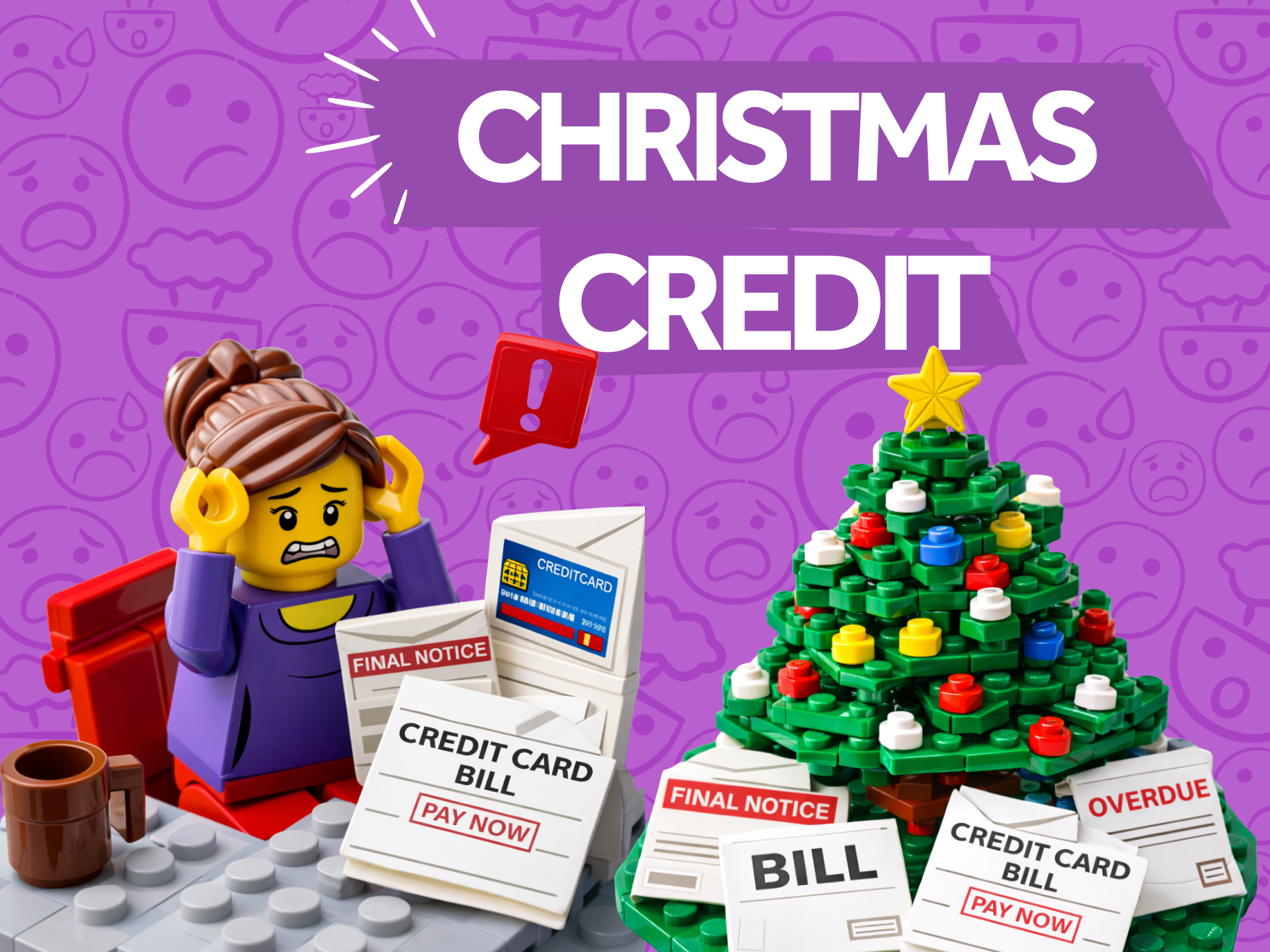
January comes with unique pressures. Christmas spending, delayed bills, higher winter energy costs, and reduced income for some households all land at once.
UK data consistently shows that financial stress peaks in January, with many people reporting increased worry about money during this period. Starting strict budgets at a time of high pressure can feel overwhelming and unsustainable.
Strict budgets often ignore real life
New year budgets are often built on best-case scenarios. No unexpected costs. No emotional spending. No disruption.
But real life does not work that way. When a budget feels too restrictive, people are more likely to abandon it altogether. Research into financial behaviour shows that overly rigid plans increase avoidance and guilt, rather than long-term engagement.
This is why many budgets fail within weeks, not because people lack discipline, but because the structure does not fit their reality.
Small adjustments are more likely to stick
Making small changes works better than trying to change everything at once.
Understanding what happened last month and making one or two manageable changes is often more effective than starting from scratch.
Instead of building a brand new budget on 1 January, many people benefit from:
-
reviewing December spending without judgement
-
checking which bills are due in the next few weeks
-
adjusting one category that feels manageable
-
building clarity before making cuts
This approach reduces pressure and increases follow-through.
Progress does not need a calendar date
There is nothing special about 1st January when it comes to money. Financial confidence builds through repetition, not resolutions.
Starting a budget later in January, or even in February, often leads to better outcomes because energy levels are higher and immediate pressures have eased.
Research from the Money and Pensions Service supports this, showing that people who feel confident and informed are more likely to engage positively with budgeting tools, regardless of timing.
A budget should support you, not punish you
At IE Hub, we see budgeting work best when it is flexible and realistic. A budget is not about restrictions. It is about understanding, planning, and reducing stress.
A budget that allows room for real life is far more likely to last than one built on perfection. The goal is not to control every pound, but to feel more in control overall.
If the new year feels like a good time to get a clearer picture of your money, IE Hub can help you do that at your own pace. Instead of starting from scratch or cutting everything back, you can use IE Hub to build a simple view of your income and essential outgoings, all in one place.
This can make it easier to see what needs attention, what is already under control, and where support might help. Many people find that having everything laid out clearly reduces stress and makes money feel more manageable, even before anything changes.
The new year does not have to be about perfection, just about feeling a little more informed and supported.